Tag: fantasy

For the Love of Books #17

There’s a summer heatwave here in the UK, which begs the question of recommendations to while away sunny afternoons lounging in the sun, or taking shelter in the shade. I’ve gone for two epics, something to get your teeth into, both great reads in their own right.
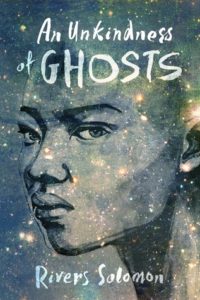
An Unkindness of Ghosts, by Rivers Solomon

For generations, World ship HSS Matilda has ferried the last of humanity through space to a mythical Promised Land. With a society organised like the antebellum South, led by brutal leaders, it is a system built on racism and misogyny, attacking the dignity of sharecroppers like Aster. While the ruling sovereign enjoy comfort in the upper decks, the lower class are effectively slaves, forced to occupy the uninhabitable lower decks. It is a story of survival, where brutal losses are not shied away from, making it at times a difficult read, but also an important one.

It is sci-fi, with a world that feels so real, driven by characters that reflect a range of human experiences, including neurodivergence, and representation of LGBTQ+ exploring sexuality and gender. The protagonist, Aster, is flawed, self-effacing, astonishingly courageous, with a huge heart and fierce hope despite what most would think are hopeless odds. I adored her. Each step of the way her journey is a lesson in working with what you’ve got, never giving up, appreciating that no matter what, there are always choices to be found. She actively looks for those choices, never stops fighting, never relents to the iron fist of the perpetrators. There’s so much depth in the writing, and in Aster’s character that it’s impossible not to root for her from the beginning. As the reader I found myself in her point of view, searching for the clues her mother left, cheering her on as she pieces together scraps of evidence, desperately hoping that she may find that infamous way off the ship. But first she must sow the seeds of civil war.
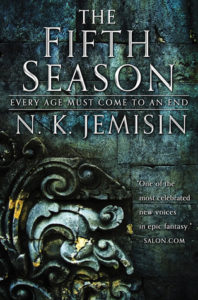
The Fifth Season, by N.K. Jemisin

The world is ending, again, for an unstable Earth where geological disasters lead to apocalyptic events that happen every hundred years or so; little wonder the population regard Earth as the enemy, and value survival above all else. This most recent apocalypse sees a great red rift tearing across the heart of the continent known as the Stillness, spewing ash that will darken the sky for years if not centuries. Against this deadly backdrop, a complex society exists, with various human races, and another sentient species, Orogenes, those with power over the earth itself. Orogenes are feared, hated and exploited by humans, since the Orogene’s powers are deadly, but they can also protect civilisations.

The story follows three distinct and haunting voices. Young Damaya is a powerful Orogene, kept locked away because of her dangerous curse. Syenite is so powerful she is able to raise an obelisk, something not seen in over 3000 years, exposing mysterious ruins of the many civilisations that came before. And Essun, a woman living an ordinary life in a small town, who comes home to find her husband has brutally murdered their son and kidnapped their daughter. A powerful Orogene, Essun sets out across the dying lands in pursuit of her wrecked family, prepared to tear the world apart to save her daughter.

I was invested in the main characters from the start, in particular Essen’s emotionally charged opening storyline. Through Essun we explore those shades of grey: emotionally closed off, she cares only about finding her daughter, and will kill anyone who gets in her way. I also appreciated the diversity of characters, and the ease with with LGBTQ+ relationships are introduced, as is the case with other works by this author. Overall, with its intricately built world and highly complex cast, this is an in-depth, imaginative and inventive story.

What are you reading?
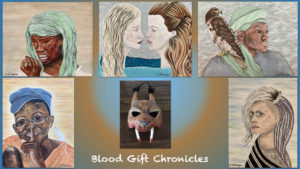
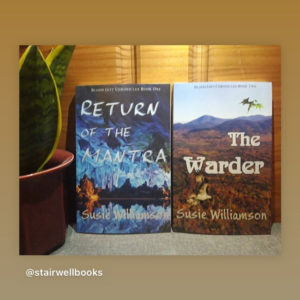
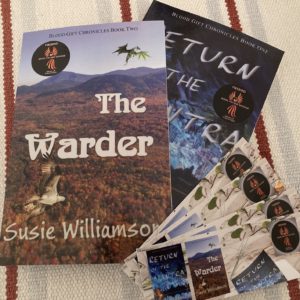
The Warder Celebration & BGC Art

June 2022 was the month for finally getting together to celebrate last year’s release, The Warder. The event was set to go ahead here in Exeter, and preparations were going swimmingly…

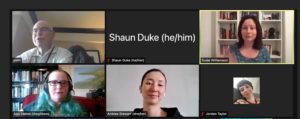
but alas, we were thwarted by Covid. Life can be as unpredictable as the twists and turns of our stories, and so came a last-minute shift onto zoom.

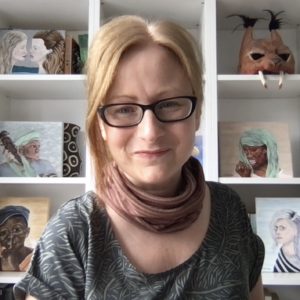
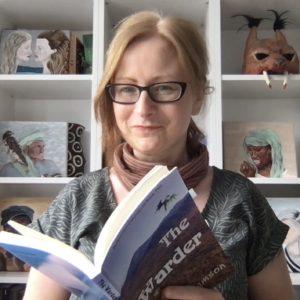
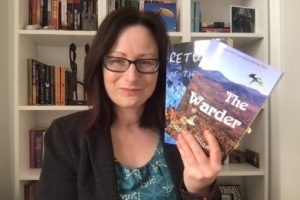
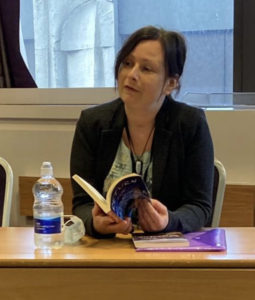
Hosted by my publishers, the lovely folks of Stairwell Books, and joined by local guest readers bringing more fantasy, folklore, poetry and rhyme, it was lovely to spend time in the company of other writers, as well as readers of my series so far. And onto my readings.

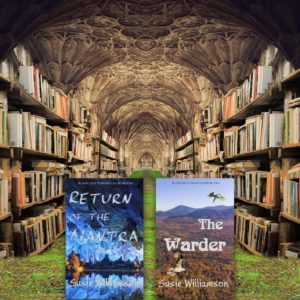
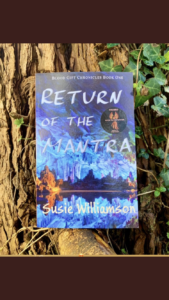
With a brief intro. to Book One, Return of the Mantra, I was reminded of intrepid Suni and her search for justice and her own identity. Thrust into some stark environments, she discovers what she’s really made of, in contrast to the mountaintop view where her worldview is forever changed. And of course, when you’re up against tyranny and fighting for the natural world, it takes more than one voice. Onto Book 2, The Warder, where we get to know more of our heroines and heroes.

With three main characters in The Warder, three scenes jumped out at me to share.

Wanda, an eighteen-year-old young man, gifted but also cursed by a shadow bound to him. One of his opening scenes is a favourite, looking out over the grasslands, searching for respite from his curse.

Ten-year-old Luna, troubled by strange visions, experiences her own personal breaking high in the mountains.

And, perhaps holding it all together, Suni returns, working to restore harmony to her hometown, while using her gift to watch out over her young friend.

The dominoes are falling, squeezing characters and revealing timeless bonds. All set in a world with new lands revealed, where old and new, the mundane and the fantastical, coexist. Prepare to be cast away to an archipelago of islands in the far western reaches, with the musty air of the cavernous temple and the sound of footsteps crossing the mosaic-tiled floor; in contrast to the warm desert winds of Shendi, carrying spells and curses that touch all those with the gift to hear…

With themes of wildlife and the environment, social justice and marginalisation, magic, animism, being true to oneself, and dragons… Not to mention a diverse range of character arcs revealing love in all its forms.

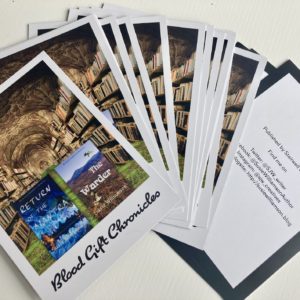
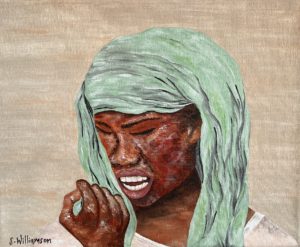
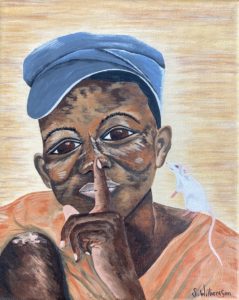
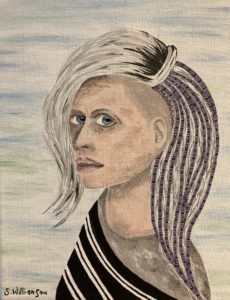
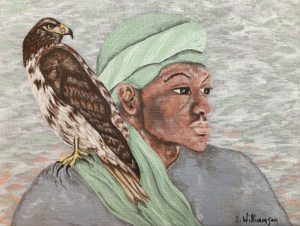
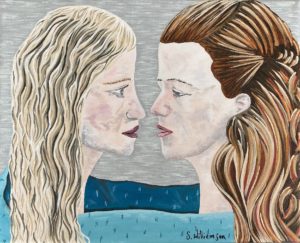
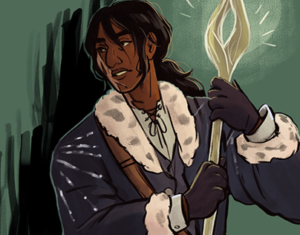
Prior to the event, I set myself a project to imagine what my characters might look like. Of course, it’s ultimately for readers to draw their own conclusion, but I’ll leave you with the result of the project: a series of portraits, my own artistic interpretation of my beloved characters that span the series, Blood Gift Chronicles.

Happy Reading!


For the Love of Books #16

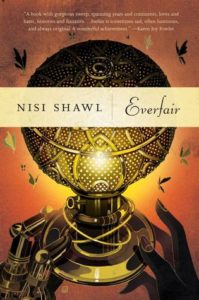
Some stories come along that remind you of the extraordinary scope of SFF. Everfair is one of them. I was fortunate enough to ‘meet’ the author on a panel at last year’s online World Fantasy Convention. After hearing her mention her own book, I was quick to look up the title, and was instantly intrigued by what sounded like an important story. I wasn’t wrong.

Everfair, by Nisi Shawl

Everfair is an extraordinary book, that delivers what the concise blurb suggests, which is no mean feat within the realms of 381 pages. Beginning in the era of King Leopold of Belgium, and the atrocious horrors he wrought in Congo, this speculative masterpiece upends history and carves out an alternate version, giving voice and power to those historically silenced. Using steampunk technology, the native populations of the Congo forge an independent identity and the utopia of Everfair. I adored the inventiveness that perfectly blends with the backdrop: the weaponised air balloons that cover miles of African landscape, and the high-tech prosthetic limbs highlighting the realities of colonial crimes and empowering the victims of those crimes.

All of this is achieved through history told and re-imagined, with invention, political intrigue, unconventional families, diverse love, drama and heroics, power and compromise, delivered through multiple viewpoints that give wonderful depth to a complex era retold.

Beginning in 1889, Lisette Toutournier dreams of a world beyond her small town – and boy does she get that! Meanwhile, in the Congo, ivory has been replaced by rubber, and Reverend Lieutenant Thomas Jefferson Wilson witnesses the horrors that Africans are put through to get it. Fearing for the future of all those suffering abominations in the Congolese Free State, he sets out to speak up against the atrocities. He travels to the UK and implores crowds to write and petition to parliament, calling for abolitionism. But Jackie Owen, a member of the socialist Fabian Society, has a better idea.

In 1893, in Kisangani, Congo, King Mwenda wonders whether his decision to ban all whites from the country was a mistake. He is guided by his spirit father, advice revealed in pictures shown upon Shongo blades. He publicly declares his intention for his people to abandon their lands and disperse. In tune with the timings of the sun’s movements, it is a calculated approach, designed for his intelligence to be underestimated by the whites. Therefore concealing his true intention.

All this, and we’re approaching the first world war.

With Mwenda guided by the shine of his blade, and a multitude of viewpoints expertly delivered through a wonderfully diverse cast, this hard-hitting, magically inventive, and extraordinary tale is told, one that shines a light on history, truth, and the human condition to invent, re-invent, and ultimately take the reins of our own destiny.

What are you reading?

 

The Magic of Fantasy

It’s been a week of furniture building and the house being upside down, including, shock horror, my writing room being out of action, and bookshelves out of reach. Among plenty of sorting and cleaning, I made progress on a latest painting project, more on that another time. And for solace, I thought of some of my favourite characters from fantasy fiction.

Any here that you recognise?


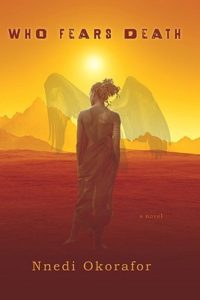
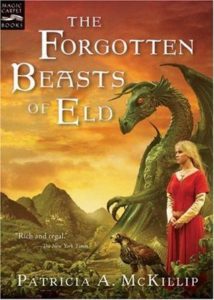
Rooted in the imagination, the inventive genre of fantasy knows no bounds. And soon, soon I’ll be back on Book 3 of Blood Gift Chronicles. And I’m looking forward to it, seeing how the world further expands bringing new landscapes, new people, new vivid sensory images to delight, appal, and offer up a spot of virtual travelling. We all have some favourite story places. I would gladly visit the lands of Patricia McKillip’s The Forgotten Beasts of Eld, and share a meal with Sybel in her cottage on Eld Mountain, watched by her weird and wonderful menagerie called by wizardry. Or a visit to the remote deserts of apocalyptic Sudan, in Nnedi Okorafor’s Who Fears Death, and meet with Onye, a powerful, gifted, flawed, steadfast young woman. I can still hear the sound of her singing voice communing with the desert.

George R.R. Martin said, ‘We read fantasy to find the colours again, I think. To taste strong spices and hear the songs sirens sang.’

Yes to all of the above, and to learn, reflect, challenge, escape, have fun, and flex that all important muscle – the imagination. Fantasy shines a new light, and creates a different edge. It redefines boundaries and allows for reclamation of landscapes. It offers up worlds filled with adventure, to inspire, offer hope, and teach us that anything really is possible. It shines a light on our identities, letting us know we are valid and valued, despite our strengths and flaws. It emboldens us to demonstrate we can tackle our demons, fight for our cause, and realise a state of peace and empowerment. And so much more.

So there is no shortage of inspiration, in a genre that can extend to the reach of your imagination. I look back fondly on scenes from the first two books in Blood Gift Chronicles: some of the stark environments thrust on Suni in Return of the Mantra, where she discovers what she is made of, contrasted with a mountaintop view where her view of the world will be forever changed. And in The Warder, as the dominoes fall, squeezing characters and revealing timeless bonds, the world extends into new lands where old and new, the mundane and the fantastical, coexist. If I close my eyes I’m transported to the islands and the musty air in the cavernous temple, with the sound of footsteps crossing the mosaic-tiled floor; in contrast to the warm desert winds of Shendi, carrying spells and curses that touch all those with the gift to hear…

Finally, I’m happy to report I’m back in my writing room, ready to explore new worlds.

Have a great weekend!


The Warder – One Year Anniversary

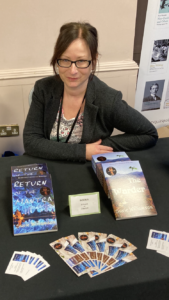
March saw the one-year anniversary of my sequel, The Warder (Blood Gift Chronicles Book 2). It’s a strange thing to release a book during lockdown, yet the year has been busy regardless, with online events including travelling to Montreal from the comfort of home for World Fantasy Convention 2021. A few in-person events to Birmingham, Bristol and the lovely Weston-Super-Mare were great opportunities to meet readers and join panels that always leave you with more questions than you can ever answer, which is why there are always more books to write!

Winning Firebird Awards for both Blood Gift Chronicles novels so far was a real highlight! Click here for my radio interview. https://www.speakuptalkradio.com/author-susie-williamson/

And, WOW to be compared to the phenomenal Ursula Le Guin in the latest review of The Warder. Click here.

And the reviews keep coming.

Some recent 5*reviews for Return of the Mantra were gratefully received, and raised some thought-provoking points. Plus it’s always wonderful to hear that these characters we painstakingly bring to life are loved and appreciated and strike a chord with readers.

 Click here for review by Yvonne Hendrie: “The otherworldliness of this novel is magical, but the issues Suni faces jab at our consciousness because her world is a microcosm of our own. It’s this which allows the reader to explore their own feelings and responses and ask what they would do in the place of Suni and indeed all the characters who must make difficult choices and decisions. We can do this only because the characters are so real – alive, flawed, trying to survive and thrive while the world around them disintegrates. A truly thought-provoking novel.”

Click here for review by Eliza Mood: “Enjoyed this fantasy of rites of passage touching on belief, spirituality, inner strength. A fable resonant for our time.”

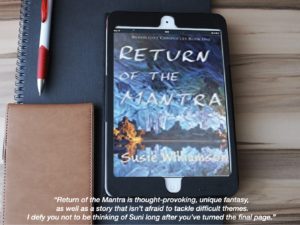
Click here for review by Michelle Kenney: “Return of the Mantra is thought-provoking, unique fantasy, as well as a story that isn’t afraid to tackle difficult themes. I defy you not to be thinking of Suni long after you’ve turned the final page.”

Thank you, Michelle. I feel the same way about Suni, actually about a number of characters in Blood Gift Chronicles. I am currently working on Blood Gift Chronicles Book 3, introducing some new characters, expanding the world to incorporate new landscapes, while prominent faces from the first two books remain. The world is connected and events can throw the most unlikely lives together, pretty much like the world as we know it. I’m enjoying expanding on the story, while hopefully laying the way for readers to venture into unlikely places.

One of my favourite quotes from Lord of the Rings:

“I wish it need not have happened in my time,” said Frodo.
“So do I,” said Gandalf, “and so do all who live to see such times. But that is not for them to decide. All we have to decide is what to do with the time that is given us.”

And I wonder, would Suni, Zandi, Juna, Wanda and co. share Frodo’s sentiment or Gandalf’s. And I say, choose well, because there is no saying where this next adventure may lead…

Happy Reading!

Books, Climate and #IWD2022

I recently saw a thread on twitter, asking the question, ‘Should we celebrate things when doing so feels like a travesty?’ There’s so much happening in the world that is hard, heart-breaking, scary and overwhelming. Is it then wrong to celebrate World Book Day, art, or the women who inspire us? Finding strength and empathy in times of crises requires resilience. Hopelessness leads to apathy; powerlessness leads to paralysis. So how do we build resilience that allows us to fight for change and do what is within our power?

Perhaps we build resilience through hope, and stave off despair by sharing ideas, strength and joy. That magic ingredient which energises each of us is individual to who we are. For me, it’s stories, books and art, community, and common goals that create positive change. And so, themed on International Women’s Day, comes my blog of two parts. Art news is still to come, but first, a blog from my world of books.

I have many favourite women authors: Octavia Butler, Nnedi Okorafor, Ursula Le Guin, to name a few. All are/were pioneers in their own right, and creative witnesses to the past, present and future. I was delighted to receive a short but sweet recent review of my novel, The Warder, and to be compared to the mighty Ursula Le Guin (blush).

Dave Holwill, author and reviewer, reviewed in the United Kingdom on 4 March 2022

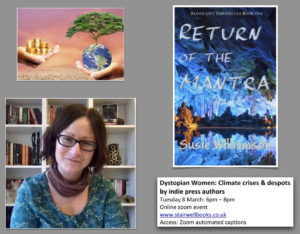
And in celebration of International Women’s Day, I joined the lovely folks of Stairwell Books for an online event, alongside other authors and readers, sharing readings and discussion on the subject of eco feminism, climate change, and the place of fiction. It was great to hear readings from Border 7 and O Man O Clay, two dystopian novels I’ve read and loved. As I gave a reading from my own, Return of the Mantra, I was reminded of the origins of my debut. A fantasy novel with themes of climate change, and contrasting worlds inspired by the landscapes of the Sudan, and South Africa, where I once lived.

Quick recap: The main character is a young woman called Suni. She’s brought up in a desert town ruled by a tyrant leader. All she has known is desert and drought that has lasted for decades. She’s been raised to believe in the old ways of the Mantra, which has a mythology around the cause of the drought. And so begins her story of self-discovery and identity, and a fight for the natural world. She believes the resistance of old are dead, and that there is nothing beyond desert, until she discovers a hidden world where nature is hanging on – I won’t give more away, but on the subject of positivity, I went for an extract that inspires hope.

Click here for the YouTube link to the event, and my extract reading.

It’s what I think fiction can do well, give hope: bring empathy where it’s lacking, shine a light on injustices, show us how strong we can be when the odds are stacked against us, or just allow us the joy of reading. We drive our characters on through thick and thin, and (unless they don’t!) they survive. Themes of climate change run throughout the backdrop of Return of the Mantra. In the following sequels, the story takes a different turn as the world unfolds, but nature still features. I hadn’t necessarily planned it that way, but as I work through Blood Gift Chronicles Book 3, I realise how closely my characters live alongside wildlife. Perhaps there’s hope we can all close the gap between humanity and the natural world.

What are you reading?
New Frontiers

Last weekend involved a trip to Montreal, Quebec, (from the comfort of my writing room via zoom) for World Fantasy Convention 2021. What a great weekend, not to mention a great opportunity to show off my new bookshelves – such a relief to finally be able to unpack my books! With a half-hour reading slot, I was able to share a taste of The Warder, giving a glimpse into the extraordinary lives of all three protagonists. It’s always wonderful to see captivated listeners, and hear how your words hit home. Thanks to all those who came along to listen.

It was also wonderful to have the opportunity to join in with a couple of panels. The Classics panel reflected on older works, discussing how they hold up to the contemporary lens. It’s astonishing to think of the origin of stories like Dracula, inspired by a sadist, torturer of women, yet still prevalent in popular culture today. My favourite take on vampires is Octavia Butler’s Fledgling, (reviewed in an earlier blog), not least because she takes the opportunity to explore power dynamics.

H.G. Well’s The Invisible Man is a theme that stands the test of time. Invisibility used to add power to men, god-like power giving the ability to act with impunity, lends itself to the theme of the recent remake which tells a haunting tale of domestic abuse. As long as onlookers stay silent, look the other way, aid and abet, perpetrators of domestic abuse are able to act in an absence of scrutiny, akin to the powers of invisibility. A really powerful message, as well as a glimpse into a world of constant surveillance, and warnings of technology made without foresight of damaging consequences.

And no conversation of the classics would be complete without Mary Shelley’s Frankenstein, although for me I was thinking more about the experience of the writer. Eighteen years old when she started writing it, probably inspired by grief, published it around 1818 anonymously out of concern she might lose custody of her children. With scepticism over how a woman could have come up with something so hideous, she endured undermining critique and condescension. And through it all she gifted the world with a remarkable story, delivering messages that monsters are not born they’re created, and that famous cautionary tale that science can go too far.

Then onto the Gendering Genre panel.

From the dubious representations of women in western fairytales (evil witches, evil stepmothers, damsels in distress to name a few), to the prevalence of ‘strong’ kickass women and girls, scantily clad and attractive to the male gaze, to discussing ways conventional expectations can be subverted, and stereotypes challenged. Diverse representations, non-typical heroes, challenging stereotypes, are all huge considerations for me in all aspects of work, so needless to say I loved the panel and was glad to be able to share a sample of my well-loved reads that tick all the boxes. Click here for a few of my favourite complex heroines in SFF, who definitely challenge stereotypes.

Huge gratitude to the organisers for pulling off such a dynamic and complex event, bringing together the in-person and virtual world.

And lastly, the previous week was a quick trip up the motorway for a day of sci-fi/fantasy at BristolCon. More readings, more panels, this time looking at our favourite, and not-so-loved empires in the genre. With each discussion I join in with, I’m reminded what I love about speculative fiction: with its ability to critique, challenge, push back against convention and harmful narratives, it literally paves the way into new frontiers.

What are you reading?

FantasyCon 2021

Nearing the end of September and the month has flown by. Last weekend involved a trip to Birmingham to join FantasyCon 2021, an annual convention celebrating the weird and wonderful worlds of SFF.

Women In SFF

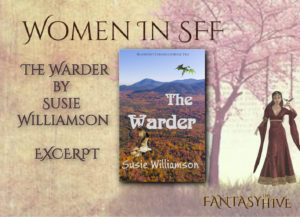
Over at The Fantasy Hive, July has been the month to celebrate women in sci-fi/fantasy. I was delighted to get a slot for my book, The Warder, in which I shared an excerpt of Chapter One. One of the things I enjoyed about writing this book was the different age ranges of the three protagonists: 30(ish)-yr-old Suni, 18-yr-old Wanda, and 10-yr-old Luna; each with their own unique flaws, personality and agency. The excerpt is Chapter One, and Luna makes an unusual entrance…

Click here for my post on The Fantasy Hive.

Click here for last year’s interview with The Fantasy Hive.

The Fantasy Hive have also run this month-long event on Twitter, with a different prompt each day for readers to share favourite titles. I’ve enjoyed joining in, championing books that have stood out to me. I confess I missed the odd day, but read on for highlights of my selections. Some have already featured on my For the Love of Books posts, in which I give a more in-depth review; some are still to come. But for now, here’s an overview of my selection of great titles for #WomenInSFF month.

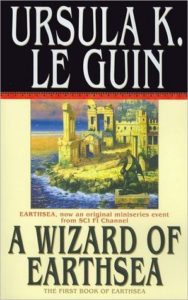
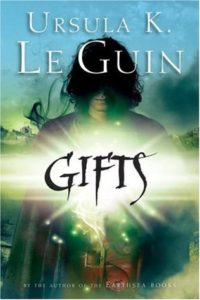
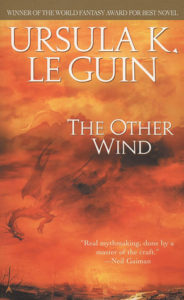
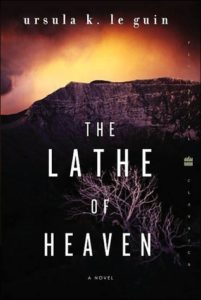
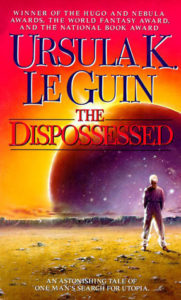
Starting big, with Lifetime Achievement Award for most influential SFF writer. I have a special place for Ursula Le Guin, her worlds and characters that continue to inspire, and her sheer range of titles that lead me to see her as a pioneer for women in the genre.

All-time favourite fantasy character? Hands down it’s Onye in the magical, realistic, dystopian fantasy, Who Fears Death. I adored her grit, her fight, her flaws, her love and loyalty, and her magic. She’s a character I would love to meet in real life. Onyesonwu, meaning Who Fears Death.

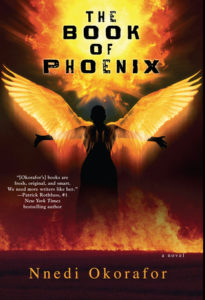
All-time favourite sci-fi character? Phoenix in The book of Phoenix. She is a genetic experiment, a Specimen in Tower 7, Manhattan. After discovering everything she has ever known is a lie, she goes to battle for justice and transformation. It’s a journey that spans America, Africa and beyond, literally to the stars. An awesome read.

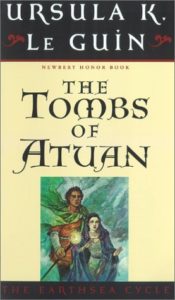
Sisters are doing it for themselves – favourite self-reliant protagonists? Tenar from Tombs of Atuan, priestess to the earth’s nameless ones, is the epitome of self-reliant. For so long she had no one, and still she made it out. One of my all-time favourite stories, so haunting and memorable.

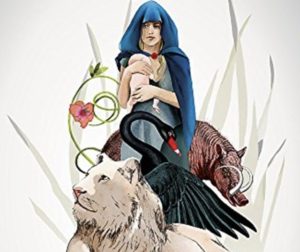
Witches, sorceresses, magicians – favourite magic users? I adore Sybel in The Forgotten Beasts of Eld, the sorceress, at home on a remote island in the company of a wise boar, a black swan, a black cat and a dragon.

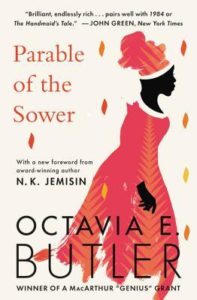
Most Intelligent – favourite scholarly or academic characters? Lauren in Parable of the Sower. When society collapses, she develops the philosophy ‘Earthseed’ and leads by embracing change. If we consider intelligence as linked to flexibility and adaptability, this character has it in bucket loads.

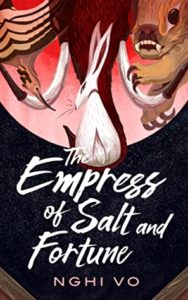
Someone to look up to – favourite older character? Rabbit, in The Empress of Salt and Fortune. She is an elderly woman, a storyteller, and former handmaiden to In-Yo, Empress of the North. ‘Do you understand?’ she says at frequent intervals, as she tells her magical tale to the cleric, Chih. ‘Angry mothers raise daughters fierce enough to fight wolves.’

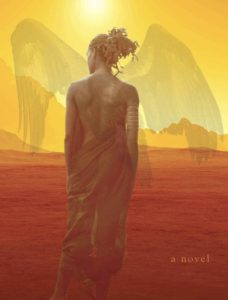
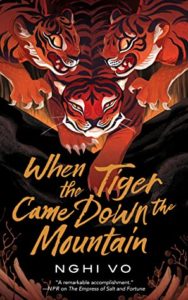
Beauty Queens – judging books by their gorgeous covers. Straight in with the sequel, When the Tiger Came Down the Mountain. Beautiful art to complement a colourful and lush story.

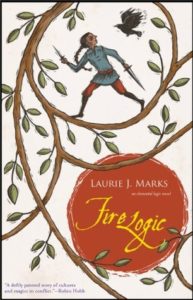
More Pride Less Prejudice – celebrating LGBTQA+ authors and stories. While mentioning the sapphic storyline in my own, Return of the Mantra, my vote went to Fire Logic: epic war fantasy fought in the farmsteads by characters that tick boxes for equality in the broadest sense.

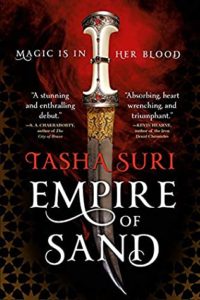
In the name of love – favourite couples, favourite romance? Mehr and Amun in Empire of Sand. The whole story felt like reading an evocative dance, heightened by the unfolding of this relationship which encompasses respect, tenderness, friendship and sacrifice.

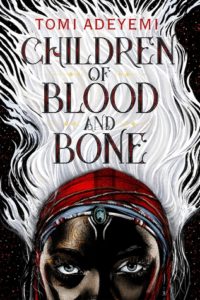
Favourite female friendships? Thinking Zelie and Amari in Children of Blood and Bone (such a great read!). Throughout all the ups and downs there is real feeling between them, which gives a great example of friendship beyond boundaries.

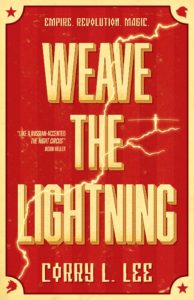
Most dynamic character, having gone through the biggest changes? Celka in Weave the Lightning stands out to me. Against a Russian inspired backdrop she is a tightrope artist in a travelling circus, storm-blessed, working to help the resistance. She must come to understand the depth of her magic, while her identity is challenged by the arrival of Gerrit, who threatens to expose everything she is fighting to protect.

Most travelled – who gets the biggest adventure? Toni, in Threading the Labyrinth. She’s an American owner of a failing gallery, forced to leave the New Mexico desert behind when she is unexpectedly called to Hertfordshire, after inheriting an old manor house. Filled with haunting and peculiar magic, the gardens of the house change in the twilight, and Toni encounters lives carried across centuries.

The Royal – favourite women in positions of power? Sinai in Daughters of Nri, especially since she’s not  always comfortable with her power. I loved her reserved nature and stealth, and the complex relationships with supporting characters, in particular with the Namibian cook, Meekulu.

Starship Trooper – favourite sci-fi character? Aster, in An Unkindness of Ghosts. Set on a generation spaceship organised like the antebellum south, transporting the last of humanity to a supposed promise land, Aster gives us all a lesson on being industrious, working with what you’ve got, never giving up, and appreciating that there’s always choices to be found. Such an inspiring and memorable character.

Historic Retellings – Alternative histories? A random find in my local library, and glad to have discovered this trilogy. Morgan offers a new angle to the well-loved Arthurian legends.

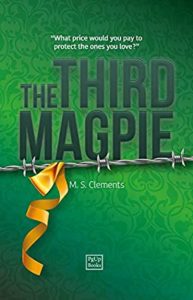
Debut newbies. My current read, The Third Magpie, a 2020 debut. A page-turning dystopian romance, chilling and gripping, challenging gender norms, while looking at the consequences of ‘othering’ in an insular world.

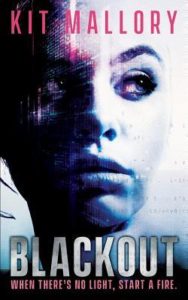
Independent Women – favourite self-published author? Kit Mallory, with this great dystopian read, Blackout. The UK has been split in two by the Wall. Skyler’s survival as an illegal Northern refugee in the South has been a relentless knife-edge balance between evading the corrupt Board and maintaining her reputation as the South’s best hacker. Until she gets the chance to enact revenge on the regime that destroyed her home and family…

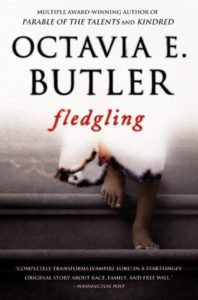
Antihero – favourite morally grey characters? Assuming we can class vampires as morally grey – Shori in this vampire thriller, Fledging; a fifty-three-year-old vampire attempting to discover the reason for her amnesia. Who slaughtered her entire family and left her for dead? As we might expect from this great author, vampire society is complex and richly described, exploring power dynamics and imbalances analogous to contemporary issues.

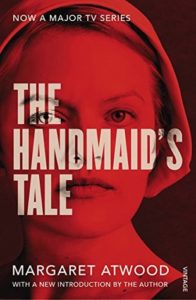
Femme Fatales – favourite villain? I don’t know if I can call her a favourite anything, but Aunt Lydia in The Handmaids Tale is up there with most stomach-churning, ghastly and complex villains.

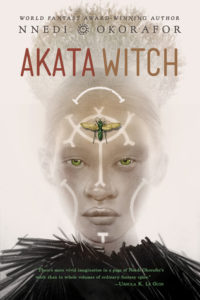
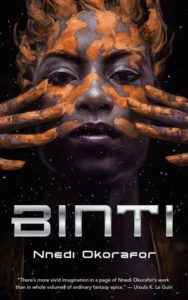
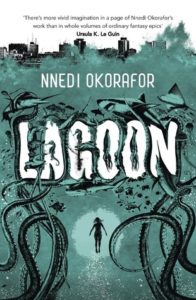
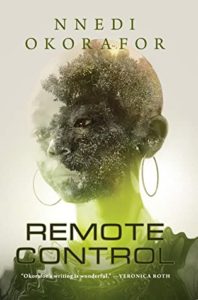
And last but by no means least, Queen of Fantasy, and, Queen of Sci-fi, one author gets my vote for both – Nnedi Okorafor.

What are you reading?
 

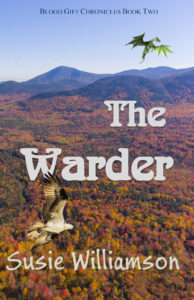
The Warder

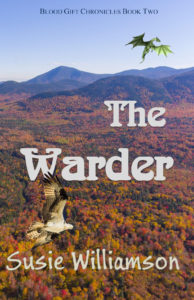
What would you sacrifice for the ones you love? In a land of gifts and curses, nothing is as it seems.

Return of the Mantra came to an end, but there remained questions unanswered. How did a King ever become so completely consumed? What is this ancient power that has cast a shadow over the land for so many years?

And so The Warder was born, a story that delves into these mysteries as we revisit the land of Shendi ten years on.

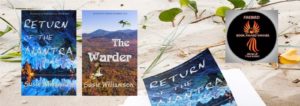
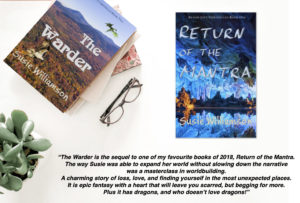
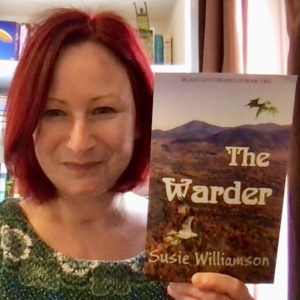
The release date is yet to be finalised by the publisher, but it is coming soon, and I am thrilled to finally be able to share the front cover. Like its predecessor, this has been a labour of love, revisiting my characters ten years on, further developing their personal story arcs, while introducing some new faces, and a new land, into the mix.

Expect another character-driven, fantasy adventure, with themes of wildlife and the environment, animism, magic and dragons, and being true to oneself.

Blurb

The King has been defeated and the spirit of the Mantra has been restored, Suni has been reunited with her father and all is – not quite right.

Wanda and his cousin Luna are living in the valley beyond the mountains: Luna is possessed and dreams of dragons while Wanda, gifted with the ability to communicate with animals, struggles with the curse of Orag. Ntombi blames Wanda for her daughter Luna’s condition.

Meanwhile, in the town by the sea, Suni fears for Wanda, and watches over him using her gift for dreamwalking. Many, including Suni’s father, suffer from a strange affliction and the townspeople are blaming the Mantra.

Then strangers arrive from the sea bringing hope for the town: but in this land of gifts and curses, is anything what it seems to be?

***

I look forward to welcoming The Warder into the world, and will keep you posted on the release date. For those yet to read Return of the Mantra, this is a sequel but it also works well as a standalone. (Though why wouldn’t you want to read Return of the Mantra!)

In the meantime, for me more writing beckons, and Book 3…

Happy Reading!