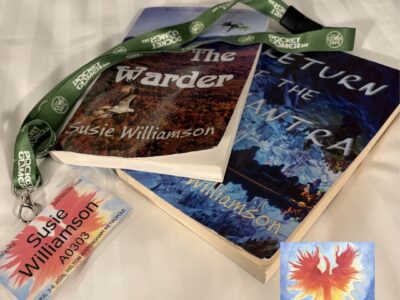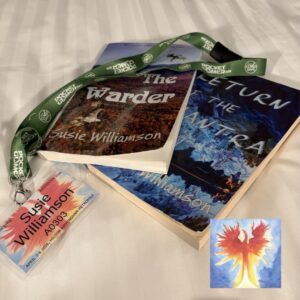
At the end of a fabulously inspiring, thought-provoking, story-telling, bookish weekend in Birmingham for Iridesence 2026, Eastercon’s 77th exploration of all things SFF. Conversations were varied, and some were particularly impactful, including the idea of story-telling as a form of activism. In a world where imagination and hope are not separate, stories have the potential to inspire the work to create change, after all, if stories can reflect the world, in turn the world can reflect stories. These thought provoking conversations were well-demonstrated by examples such as We Will Rise Again, a new anthology by Karen Lord, which is now high on my to read list. As part of this conversation, it’s also relevant to consider the role of stories in helping to endure challenging times, to offer sanctuary and aid resilience in a changing world.
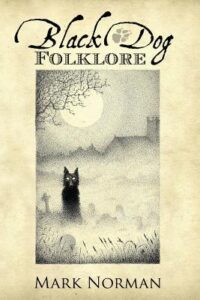
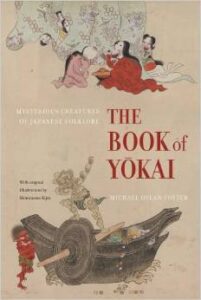
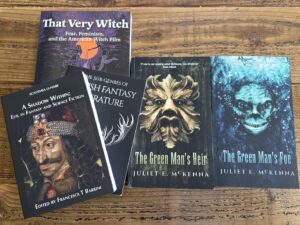
While imaginative tales take flight, they can also be grounding. Folklore was born from a desire to explain the unexplainable, bringing gods and tricksters to narratives to rationalise a complex world: folktales, myths and legends that bind people together to make sense of outside dangers, as well as to stay connected and rooted in cultural heritage, a form of resistance to powers that might seek to do harm to culture. Folklore as resistance preserves cultural identity, a form of activism in and of itself. For those of us who invent myth and legend in created worlds, we recognise the essential nature of its presence in fully realising the complexities of a new world. In writing Blood Gift Chronicles, creating folklore was a highlight for me, feeding into the rich tapestry of colour to create organically grown tales. Back to the conversation and folklore discussions inspired a purchase of two more editions to The Green Man series by Juliet McKenna.
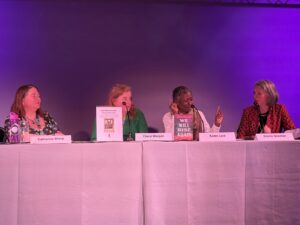
A topic I particulary enjoyed as a panelist was on the subject of libraries, an expansive topic which ventured into the library greats of SFF, as well as the plight of real-world libraries, the challenges being faced, how those challenges are being met, and mostly just how fabulous and entirely necessary libraries are. For any questioning the significance of libraries, we might consider a world without them. It’s a concept explored in Ursula Le Guin’s novel, Voices, the second part in the Annuls of the Western Shore series. The story is set in a city once known for beautiful libraries, universities, canals and bridges, before the city was invaded and the occupation began. Now the place is desolate, driven by hunger and fear, with the colours of cultural fabric lost, or so we assume. But a mysterious library was kept hidden and safe, a place watched over by the WayLord. The library is discovered by the main character, a girl called Memer. The Waylord teaches Memer how to read, and as she devours whispering books that line tall towering shelves, unravelling the truth of her cultural identity from the safe sanctuary of the library, we see the importance of these spaces, and the power of the written word.
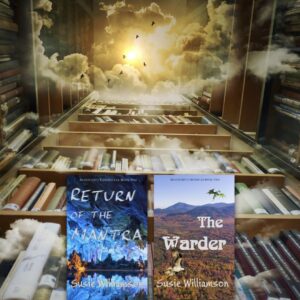
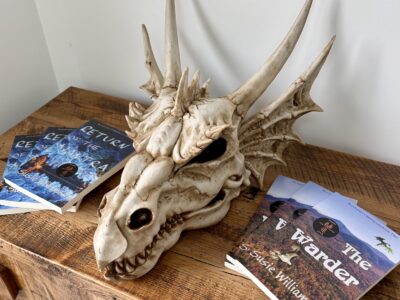
The power of the written word, and the importance of historical documenting, is a theme in The Warder, Blood Gift Chronicles Book 2. A number of historical volumes are missing in the Chamber of Scrolls, which begs the question, why, what history is being erased. It’s a relevant theme of the times today, the reclamations of history from marginalised people, as well as the current conversations about censorship. These themes were the inspiration behind the storyline in my novel, with the disappearing of historical records, what that means, and how it impacts the cultural fabric as well as individual lives.
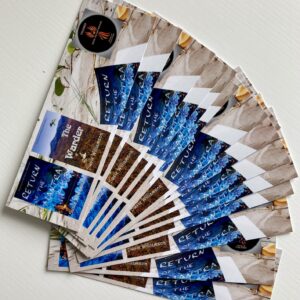
And so I come full circle, with story-telling as a form of activism, folklore and storytelling the fabric of cultural heritage, and the magic of libraries housing the magic of stories, all this and more celebrated in a fabulously inspiring story-filled space.
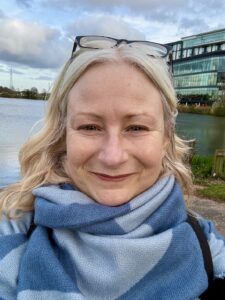
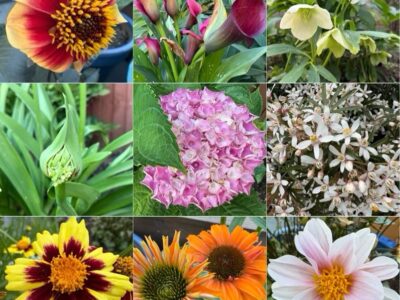
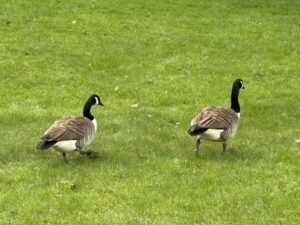
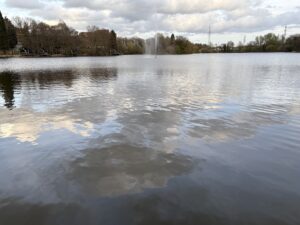
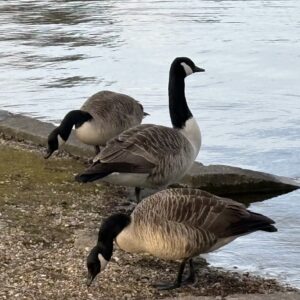
And the last word goes to the Canada Geese currently resident on the lake nestled central to the built up space of the NEC and surrounds. I was grateful for this blooming burst of wildlife in amongst the built up business, delighted by the company of waddling geese as I caught a breath of fresh air alongside the water’s edge. It’s why I layer wildlife into my stories, because it matters, because this home is their home, and because it makes us all feel better.
Wishing everyone a great week ahead.